In the past decade, I’ve built hundreds of decks spanning research, finance, and executive reviews. As AI-generated presentations become mainstream, one problem stands out: hallucinated citations. You see a quote, a data point, and a scholarly-sounding source — but when you dig, the citation is entirely fabricated.
Companies like Tosea.ai, Gamma, and Beautiful.ai are developing tools that use large language models (LLMs) to automate slide creation, including uploading PDFs or Word (.docx) files as source material. But even the slickest interfaces can't fully prevent “citation invention” unless you understand key settings and workflows.
Why Presentations Amplify Hallucinations Through Design Credibility
Presentations are trusted by default. A slide with bullet points or a chart carries an implicit promise: this information is fact-checked and sourced. But AI slide tools create a dangerous illusion of credibility.
- Visual polish masks errors: Clean slide design distracts from factual errors. A fabricated citation looks real when embedded in a crisp footer or under a striking data callout. Concise text invites quick acceptance: Slides favor short paragraphs and bullet points, which increase the risk that viewers skim rather than critically analyze citations. Quantitative data appears authoritative: Numbers backed by invented sources become 'hard facts' in the eyes of decision makers.
Because design enhances trust, hallucinations—especially citation and data hallucinations—get amplified compared to free text or long reports.
How LLMs Generate Plausible Text Instead of Retrieving Facts
At the core of AI slide tools are large language models trained on massive internet datasets. But these models don’t “know” facts. Instead, they predict what text likely follows a prompt based on statistical patterns.
When asked for citations, LLMs try to produce credible-looking source strings matching keywords or topics. But without access to up-to-date databases or the ability to verify, they often “hallucinate” accurate formats with nonexistent authors, journals, or URLs.
This issue is legal hallucination 18.7 compounded when the model tries to summarize or quantify data:
- The model invents plausible-sounding numbers to fill gaps. Citations appear with a high degree of confidence, but no underlying retrieval has occurred. Once inserted into a polished slide, these hallucinated facts feel real — yet they're unverifiable.
Why Quantitative Content is a High-Risk Hallucination Vector
As someone who always asks, “ Where did that number come from?” before reviewing any chart or data table, I know numbers are a particular pain point:
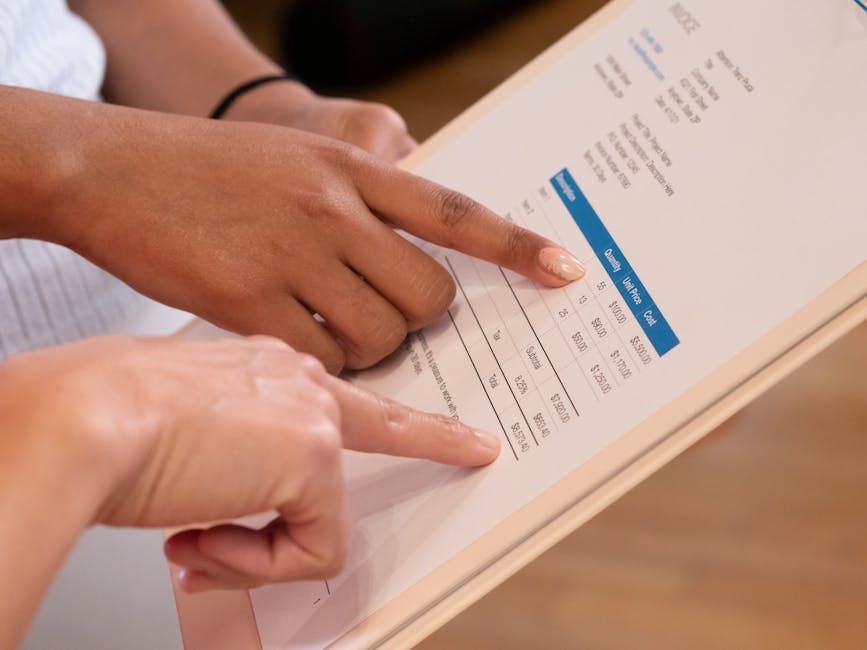
- Automated slides often show percentages, growth rates, or financial forecasts without explicit source mapping. Even when tools like PDF upload or Word (.docx) upload features are enabled, numbers may be approximations or extracted with errors. Charts created from AI-generated data amplify invented figures, making it harder to backtrack originality.
To keep your decks reliable, control over how quantitative content is sourced and cited is crucial.
A 4-Part Framework to Evaluate AI Slide Tools for Citation Reliability
Based on my extensive audit experience and familiarity with Tosea.ai, Gamma, and Beautiful.ai, here’s a clear framework to assess and tune your AI slide tool settings for citation fidelity:
Citation Controls
Does the tool offer granular citation settings, such as:
- Ability to disable citation generation if you want to add sources manually Options to limit citations to only validated documents (e.g., uploaded PDFs or Word files) Settings to require mandatory citation prompts from the user during content creation
Example: Tosea.ai emphasizes citation controls that limit source fabrication by anchoring references explicitly to uploaded documents.
Source-Only Mode
Some AI tools provide a source-only mode that restricts AI-generated content to verbatim excerpts and citations derived solely from the uploaded inputs, rather than internet-trained language models alone. This reduces reliance on hallucinated facts.
Example: Gamma.app supports source-only extraction modes from PDF uploads, enabling traceable content blocks with mandatory citation pairing.
Traceability Links
Traceability means every piece of content cites back to a specific source and page or paragraph. Evaluate if your tool:
- Generates live links or anchors to original PDFs or Word documents Highlights extracted text alongside inline citations for easy verification Allows export of citation maps or source logs for audit purposes
Example: Beautiful.ai recently introduced traceability links in their slide notes, making it easier to verify quotes or data points in uploaded Word documents.
Quantitative Content Verification
Does the tool flag or require validation for numbers and charts? Features to look for include:

- Source matching for quantitative data (e.g., pulling exact table cells from PDFs) Warnings for generated approximate figures vs. extracted numeric data Separate citation fields for numerical data vs. narrative claims
Pro Tip: Always double-check figures inserted via AI slide tools, even if “source only” mode is enabled.
Best Practices for Using AI Slide Tools Without Falling Into the Citation Trap
- Upload your own source files: Using PDF or Word (.docx) uploads forces the AI to reference material you provide, reducing hallucinations. Turn on citation or source-only modes: This constrains AI responses to verifiable text, crucial for research or finance decks. Review every citation for traceability: Before sharing, confirm links work and sources actually contain the referenced data. Be skeptical of numbers: Always ask, “Where did this number come from?” If the tool doesn't link directly to data tables or pages, flag it for manual fact-checking. Export source maps and audit regularly: Build a habit of maintaining citation logs to ensure compliance—especially for regulatory or executive presentations.
Conclusion
AI slide tools like Tosea.ai, Gamma, and Beautiful.ai are revolutionizing presentation design and productivity. However, the credibility boost these platforms provide can also amplify the risks of hallucinated citations and data.
Understanding and carefully tuning citation controls, leveraging source-only modes, ensuring traceability links, and rigorously verifying quantitative content will protect your decks from misinformation. Follow the 4-part framework outlined here, and always maintain a critical eye—your reputation depends on it.
If your AI slide tool keeps inventing citations, start with the settings I highlighted. Don’t just accept what looks good on a slide; insist on where that number or quote came from.