As cryptocurrencies become increasingly mainstream, more users are accessing their digital assets through crypto wallets on mobile devices. However, a common complaint among users is that these apps often feel sluggish or unresponsive. If you’ve ever wondered, “Why does my crypto wallet feel slow on my phone?”, you’re not alone.
In this post, we’ll explore the main reasons behind slow mobile performance in crypto wallets, the challenges around sync delays, and how app responsiveness impacts user experience (UX) in the rapidly evolving crypto ecosystem. Drawing insights from industry players like The Coin Republic and MrQ, and guidance from organizations such as the Cybersecurity and Infrastructure Security Agency (CISA), we’ll unpack how UX issues become a bottleneck in crypto app usability broad crypto adoption. Finally, we’ll discuss the delicate balance between wallet safety and usability, and why trust and transparency are crucial for successful onboarding.

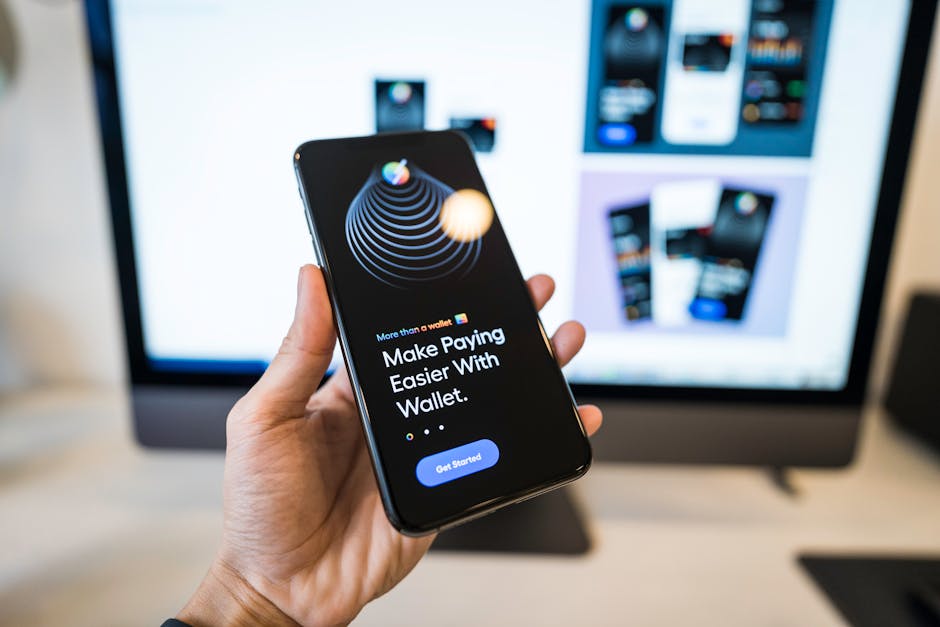
Understanding the Mobile Performance Challenges of Crypto Wallets
You know what's funny? crypto wallets are unique apps compared to traditional finance tools. They often function as decentralized, secure vaults holding private keys, while simultaneously interfacing with blockchain networks and exchanges. This complexity can be the root cause of perceived slowdowns on mobile devices.
1. Sync Delays with Blockchain Networks
Unlike bank apps that query centralized servers, crypto wallets must sync with distributed blockchain ledgers. This synchronization process involves retrieving and verifying transaction history, wallet balances, and sometimes smart contract states. Depending on the blockchain's congestion and wallet architecture, these syncs can take time.
- Full-node wallets: Download the entire blockchain locally, demanding large storage and processing power — often unsuitable for mobile devices. Light wallets: Rely on third-party servers for blockchain data, improving speed but potentially sacrificing some decentralization.
As networks grow and transactions increase, sync delays become more noticeable, especially on lower-end devices or poor internet connections.
2. App Responsiveness and Resource Constraints
Mobile devices vary widely in hardware capacity, and crypto wallet apps—especially those supporting multiple cryptocurrencies, swaps, or integrated exchanges—can be resource-intensive. Rendering complex interfaces, fetching price data, and managing cryptographic functions in real time often impacts responsiveness.
Wallet features such as QR code scanning, biometric authentication, and push notifications add layers of complexity, which can further slow down the user experience if optimized poorly.
UX: The Adoption Bottleneck in Crypto
User experience (UX) heavily influences whether a newcomer will grasp crypto concepts or abandon the app in frustration. According to The Coin Republic, the industry's largest crypto news community, onboarding new users remains a critical challenge — especially when apps exhibit poor performance or complex flows.
The Onboarding and Learning Curve
For many users, setting up a crypto wallet is their first encounter with blockchain technology. The process involves:
Generating and safely storing private keys or seed phrases Linking wallets to crypto exchanges to acquire tokens Understanding transaction fees and confirmation times Navigating complex wallet interfaces and terminology
When slow syncs and laggy app responses exacerbate these difficulties, users may become confused or anxious, which discourages continued engagement. MrQ, an innovator in mobile-focused crypto solutions, emphasizes that reducing friction during onboarding is key to keep users from “dropping off” before truly understanding the product’s value.
Wallet Safety vs Usability: Striking the Right Balance
Security is paramount for crypto wallets because they safeguard assets without intermediaries. However, introducing rigorous security measures often introduces complexity, which can compromise usability and perceived speed.
Security Feature Impact on Usability Effect on Mobile Performance Multi-factor authentication (MFA) Requires extra user steps during login Minor delays in app launch or transaction signing End-to-end encryption of private keys Safe storage but complicates data sync Potential syncing delays especially on older phones Offline transaction signing (cold wallets) High security but slower transaction process Additional manual steps, reduced app flow speedOrganizations such as the Cybersecurity and Infrastructure Security Agency (CISA) advocate for rigorous security while encouraging developers to design interfaces that do not overwhelm users. Let me tell you about a situation I encountered was shocked by the final bill.. Effective UX design helps users understand the trade-offs and navigate security measures without feeling burdened.
Why Trust and Transparency Matter
Trust is perhaps the most intangible but critical factor in the adoption of crypto wallets. When users experience slow syncs or inconsistent app behavior, they may question the reliability of the wallet or fear security risks.
Transparency about why delays occur and what data is being accessed reassures users. For example, clear notifications about blockchain sync progress or explaining the cause of app lag can reduce user anxiety. Some wallets provide real-time status indicators or optimization tips to improve performance on mobile devices.
The Coin Republic highlights that transparent communication built into app design fosters stronger relationships between users and wallet providers, ultimately promoting loyalty and active usage.
Tips to Improve Your Crypto Wallet Experience on Mobile
If your wallet feels slow on your phone, here are some practical steps you can take:
Update your wallet app regularly. Developers release performance improvements and bug fixes frequently. Close other background apps. Freeing RAM can enhance responsiveness. Use wallets designed for mobile. Some desktop-focused wallets may not be optimized for smartphones. Choose light wallets or those using trusted third-party nodes. These sync faster than running a full node. Ensure a stable internet connection. Slow or unstable networks worsen sync delays. Familiarize yourself with wallet features. Investing time in learning reduces frustration with complex flows.Conclusion
Mobile crypto wallets encapsulate powerful technology but present unique UX challenges that can lead to perceived slowness and poor app responsiveness. Sync delays are an inherent part of interacting with decentralized networks, but many issues can be mitigated through thoughtful design and clear communication.
By understanding the trade-offs between wallet safety and usability, leveraging insights from industry leaders like The Coin Republic and MrQ, and adhering to cybersecurity best practices recommended by CISA, wallet providers can enhance mobile performance and reduce user friction.
For users, patience and informed choices about wallet types, device capabilities, and connectivity will improve your experience. As the crypto space matures, better tools and frameworks promise faster, safer, and more transparent mobile crypto wallets — paving the way for mass adoption.